New data from the UK Health Security Agency (UKHSA) shows more than 2,000 people living with HIV in London are not accessing the treatment and care necessary to remain healthy and suppress the virus to undetectable levels in the blood.
The government agency estimates around 5,000 people living with HIV in England are classed as ‘not retained in care’, meaning they have not been seen by their HIV clinic in over a year – with almost half of those living in London. This means their immune system isn’t protected from damage and could cause a range of health issues.
The 5,000 is a conservative estimate, with UKHSA’s modelling showing the number could be as high as 14,000 people who are not accessing HIV care in England.
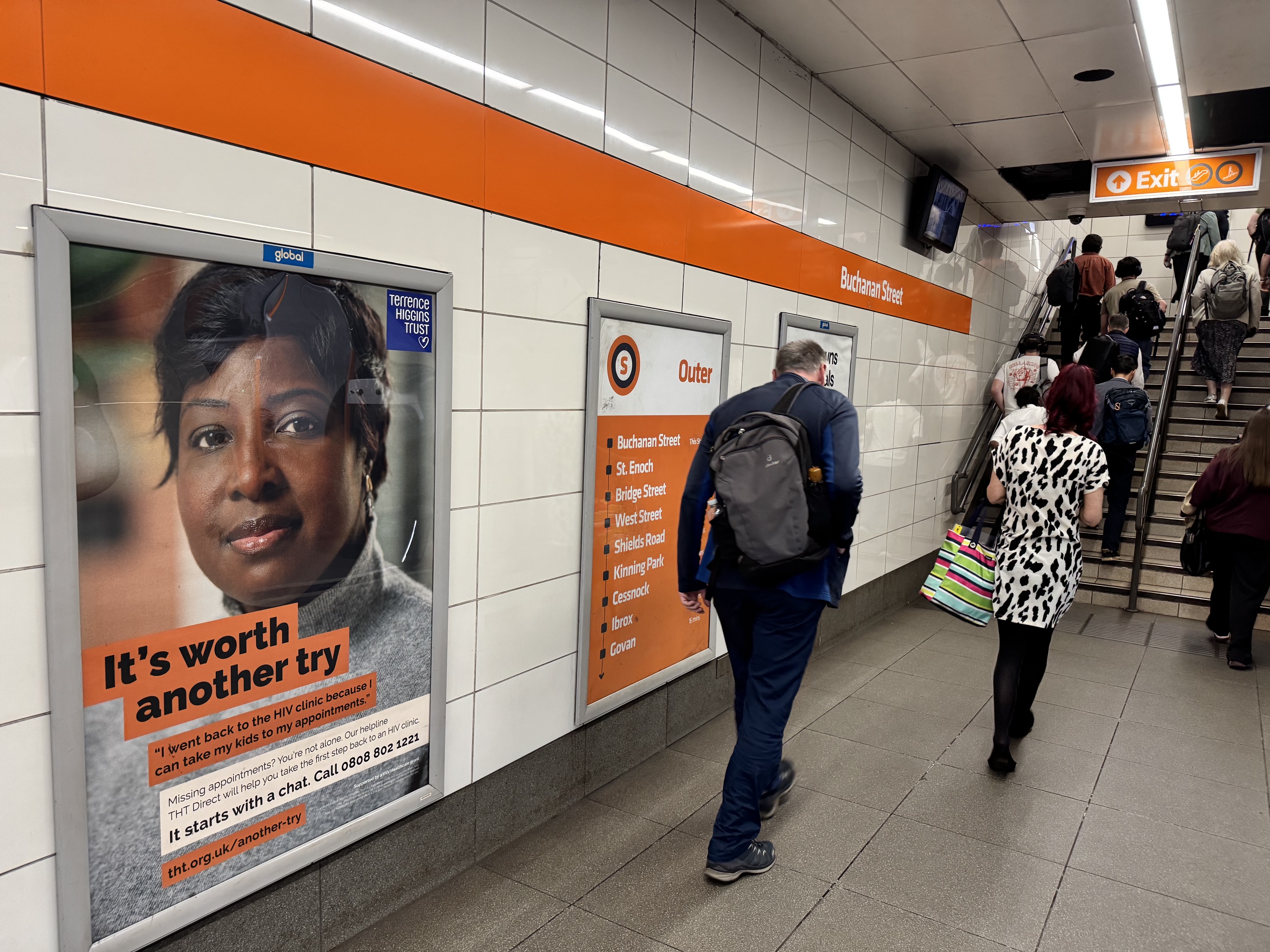
That’s why we’ve launched a new drive to support people living with HIV who are currently disengaged from care to return to an HIV clinic. The project is being piloted in London and Glasgow, and, if successful, could be rolled out nationally as part of work to end new HIV cases in the UK by 2030.
Those who are not currently linked to an HIV clinic – for whatever reason – are being encouraged to contact Terrence Higgins Trust’s free advice line THT Direct by phone, email or web chat. Callers can speak confidentially about any challenges they are facing, receive advice on next steps, and be referred directly into an HIV clinic.
The first-of-its-kind project – It’s worth another try – is being piloted in London and Glasgow in partnership with health services, local authorities and community organisations to break down barriers to people living with HIV re-engaging with a clinic.

There are many reasons why someone living with HIV might not be attending a clinic, including stigma, fear, work, childcare or relocating to a new area.
Around a third of the estimated 100,000 people living with HIV in England are in the capital and, of the 36,261 adults seen for HIV care in the London between October 2022 and September 2023, around 5.7% were not retained in care a year later.
The UKHSA data for the groups most affected by HIV in London shows that, among gay and bisexual men, ethnic minority men are more likely to be not accessing care, while Black African heterosexuals and other ethnic minority heterosexuals are also less likely to be in care.
The data also exposes this is a bigger issue among younger adults, with people living with HIV aged under 35 in London more than twice as likely to be out of contact with a HIV clinic compared to those 35 and over.
In Scotland, around 7% of the 6,079 people living with HIV were not classed as an ‘attendee’ at HIV specialist services in the past 18 months, according to the latest data from Public Health Scotland. The NHS Greater Glasgow & Clyde health board area accounts for roughly a third of all people living with diagnosed HIV in Scotland, which is why the project is also being trialled in Glasgow.
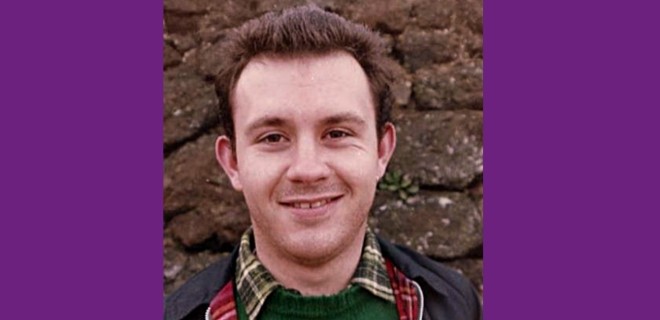
'You don't stop going to appointments or taking HIV medication for no reason,' says Danny Whitebread who’s been living with HIV since 2014.
'Fear, stigma, poor mental health, trauma and bad healthcare experiences can all play a part. After being diagnosed at 18 following a sexual assault, taking HIV medication was a daily reminder of my diagnosis. I then moved to university and seemed to fall through the healthcare cracks, remaining off medication for nearly two years. Today I'm living well with HIV and the medication I take means I'll live as long as anyone else and can't pass HIV on to my partner. People living with HIV who have stepped away from appointments need dignity, understanding and practical routes back in – not blame.'
Dr Tamara Đuretić, Head of HIV Section at UKHSA, said : 'The data suggests that there is a significant cohort of people living with HIV who are diagnosed but not regularly accessing the treatment they need to protect their immune system, have healthy and long lives, and prevent HIV from being passed on to their partners. It is crucial that we all work together to support people back to care, whatever the barriers they may be facing.'
Richard Angell OBE, Chief Executive of Terrence Higgins Trust, said: 'Our message to people living with HIV in London, in Glasgow, anywhere across the country, is that you will always be welcomed back to an HIV clinic no matter how long it’s been and that support is available. That appointment is one call away.
'Regular check-ups and refilling your medication is essential to staying in charge of your health, protecting your partners, and reducing HIV transmission as part of the work to end new HIV cases in the UK by 2030.'
Juddy Otti-Olunga, Head of HIV Services at Africa Advocacy Foundation, said: 'Life is busy, complicated and often stressful with work, kids and the rising cost of living. That means lots of competing priorities and that, for many people, managing their HIV isn't at the top of the priority list. We know there's no single reason why people living with HIV stop attending their HIV clinic and accessing treatment, which is why it's important to offer holistic support to enable everyone to properly manage their condition and thrive. But getting back in contact with your HIV clinic is that crucial first step.'